Thank you to all participants from across Europe who made this edition extraordinary. Your innovation is shaping the future of European defence.
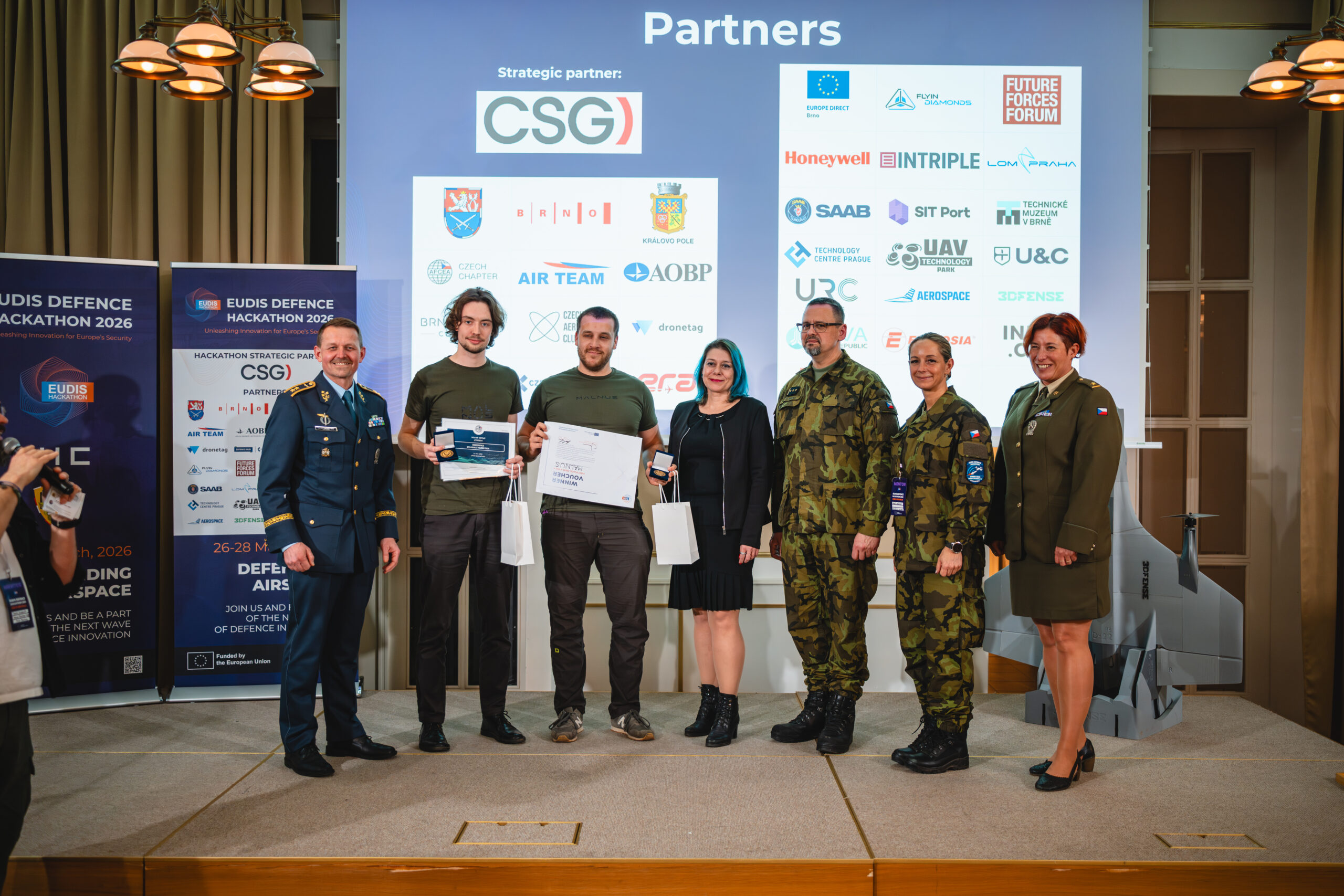
MALNUS (Czech Republic)
Two-person startup team focused on decentralised communication and indoor localisation. Developed an ultra-low-cost autonomous interceptor rocket to counter fibre-optic FPV drones. The system is fully jamming-proof, rapidly deployable, and designed for scalable production using 3D printing.
Developed a low-cost laser system designed to dazzle and disable UAV cameras. The solution specifically targets fibre-optic FPV drones that cannot be stopped by traditional jamming methods. By disabling the camera feed, the operator loses control of the drone.
Autonomous short-range (0–50m) counter-drone system. Combines optical and LiDAR sensors with AI/ML algorithms to detect, track, and neutralise multiple micro-drones simultaneously. Mobile, all-in-one system designed for rapid deployment.
Challenge: Cost-effective drone interceptors
ADAS.3 – Advanced Drone Awareness System (Spain)
AI-powered detection system using a client-server architecture.
Challenge: Next-generation drone detection systems
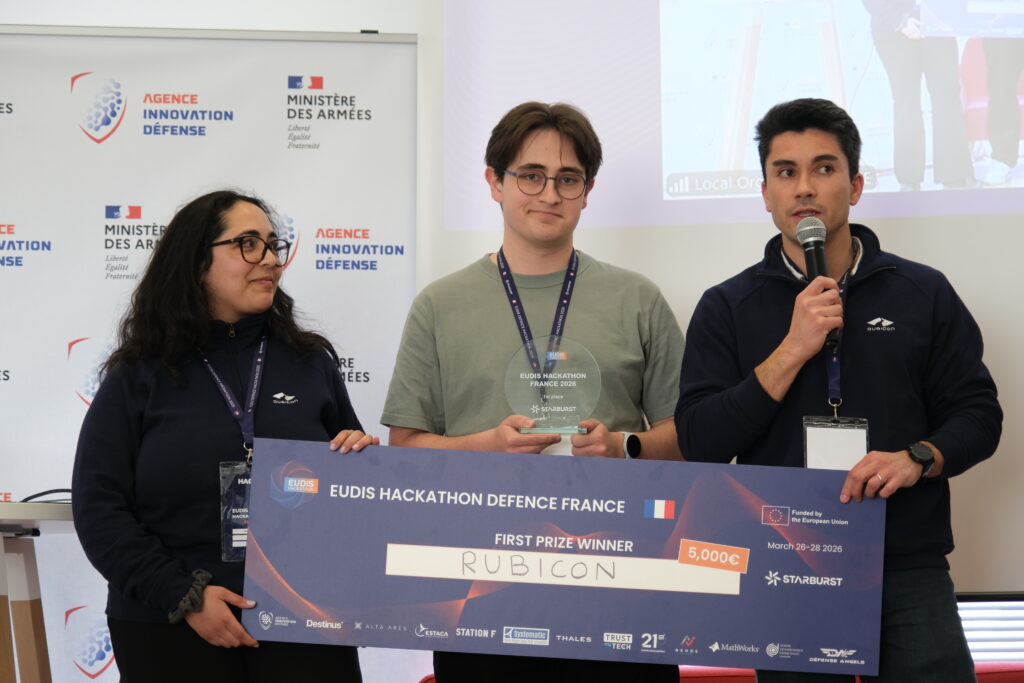
Rubicon (France)
Radar-based (SAR) navigation system.
Provides reliable aerial guidance by correcting IMU drift in GNSS-denied environments. Operates 24/7 and in all weather conditions.
Challenge: Alternative aerial guidance in GNSS-denied environments
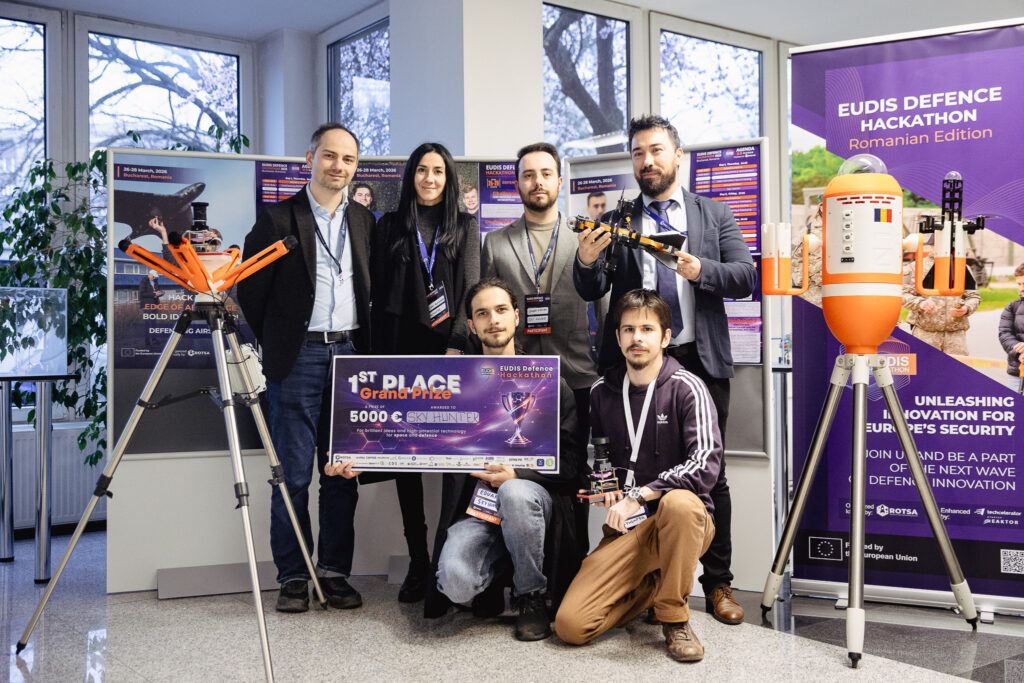
Sky Hunter (Romania)
SkyHunter is a modular, cost-effective aerial defense system designed to counter low-altitude threats like small UAVs and loitering munitions. It uses a distributed network of optical and acoustic sensors, combined with AI-driven sensor fusion and 3D volumetric reconstruction, to accurately detect and evaluate targets. To neutralize these threats, SkyHunter launches dedicated interceptor drones from automated turrets, providing a scalable alternative to traditional radar-based air defense.
Challenge: Cost-effective drone interceptors
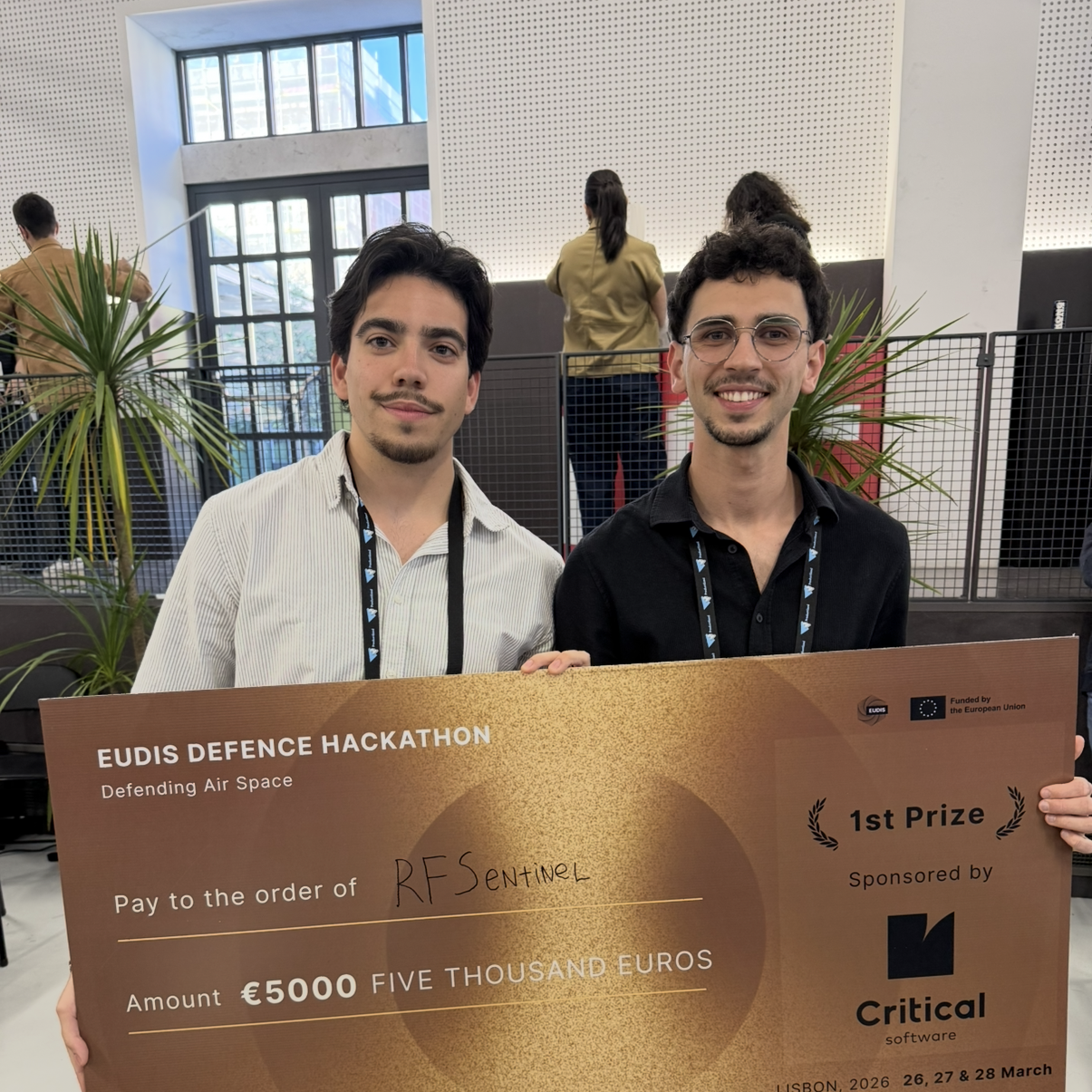
RfSentinel (Portugal)
Portable autonomous multi-sensor shield for detecting and neutralising quadcopter threats using non-kinetic countermeasures.
Challenge: Next generation drone detection systems
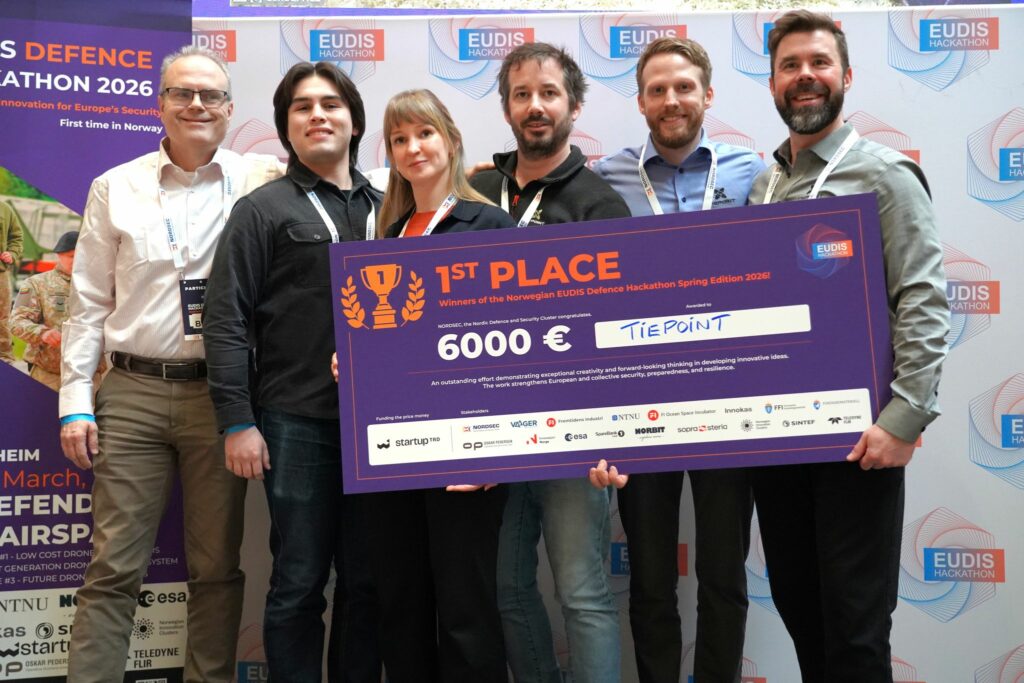
TIEPOINT (Norway)
AI-driven autonomous drone interception system.
Uses vision-based detection, tracking and reinforcement learning to pursue and neutralise hostile UAVs.
Challenge: Low-cost interceptor drones
2025 Autumn Edition
Technologies for Space and Defence
Thank you all!
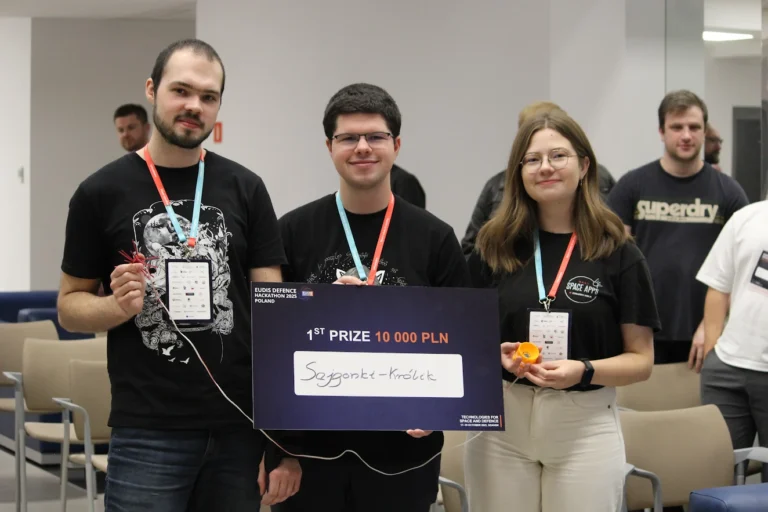
Sajgonki (Poland)
KRÓLIK is a compact, distributed drone detection network that can be rapidly deployed — even by drones — to form a scalable sensor grid over large areas. Each weather-resistant node uses signal analysis and convolutional neural networks trained on over 20 000 samples to detect and localize UAVs with high precision. The lightweight, secure, and low-cost design (under 1000 PLN per km) makes it ideal for protecting military zones, borders, and critical infrastructure.
Challenge addressed: Sovereign Aerospace
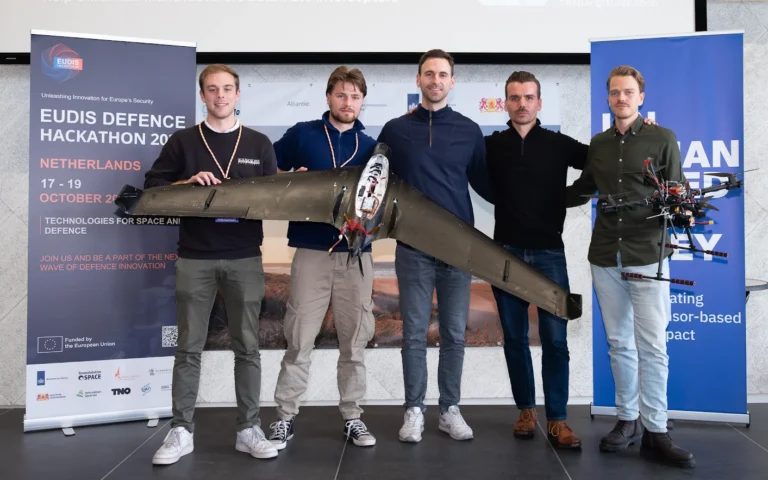
Trusk Tech (The Netherlands)
Trusk Tech focused on developing an autonomous interceptor drone system to counter the threat of low-cost Shahed kamikaze drones — a growing concern for European aerospace security.
Challenge addressed: Sovereign Aerospace
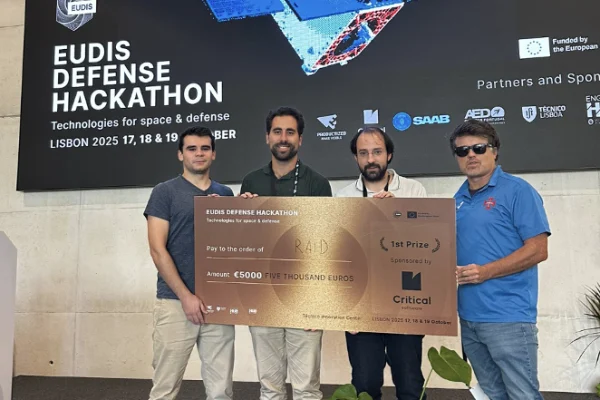
Raid (Portugal)
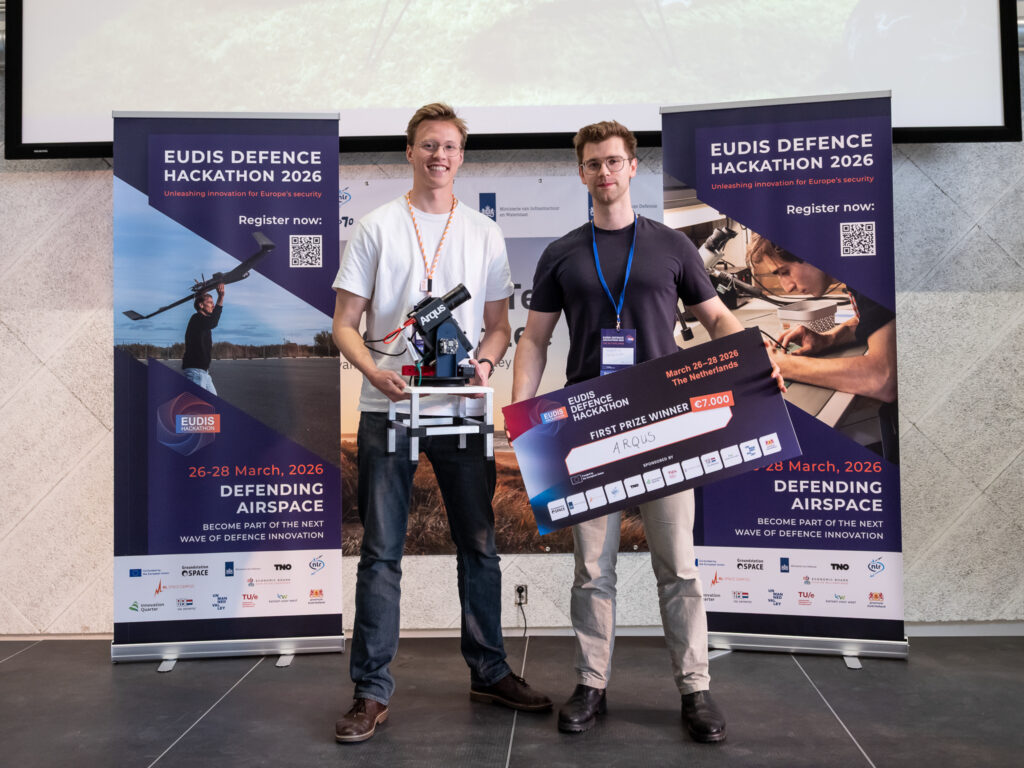
The solution is based on the use a ground Radar to assist an Interceptor drone to neutralize enemy drone targets.
Challenge addressed: Sovereign Aerospace
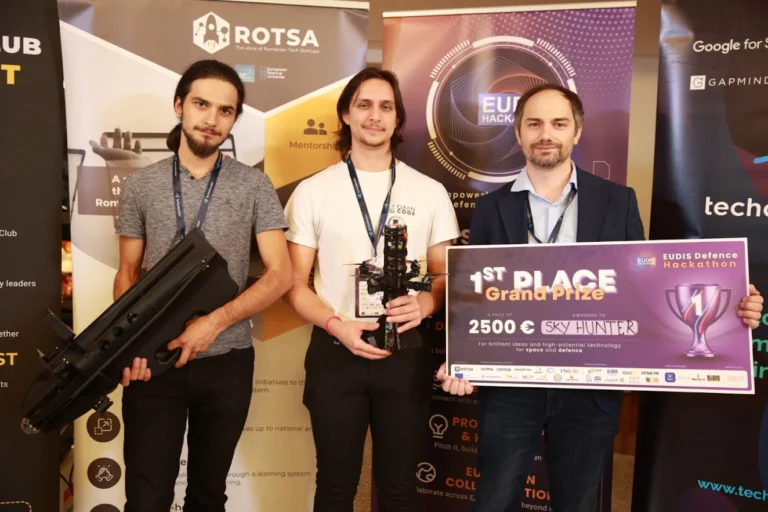
SkyHunter (Romania)
SkyHunter is an autonomous aerial defense platform designed to detect, track, and intercept hostile drones. Deployed in compact rooftop or field modules, each unit remains dormant until triggered by its integrated visual and acoustic array. Once a target is detected, SkyHunter rapidly launches, engages, and neutralizes the threat — fully autonomously and without human intervention.
Challenge addressed: Sovereign Aerospace
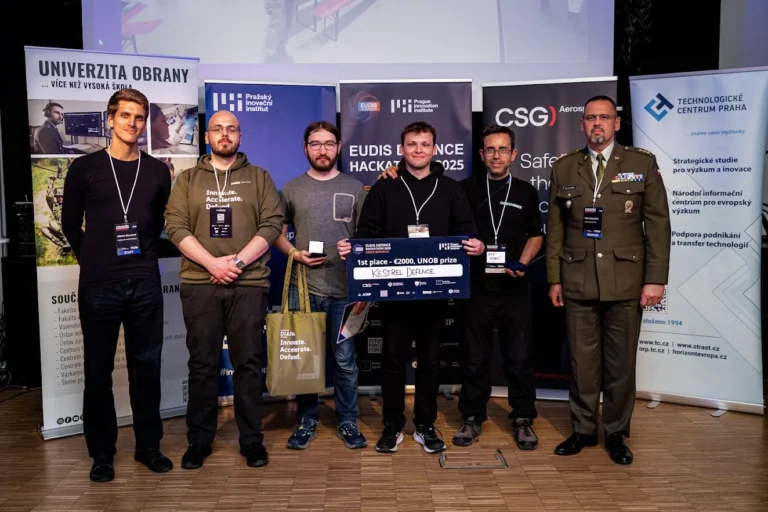
Kestrel Defence (Czech Republic)
To address challenges of what to buy, where to place it and also what to develop in terms of military equipment, team Kestrel has proposed an algorithmic military decision simulation software, able to simulate thousands of cenarios of UAV attacks, helping to shape the defence strategy.
Challenge addressed: Sovereign Aerospace
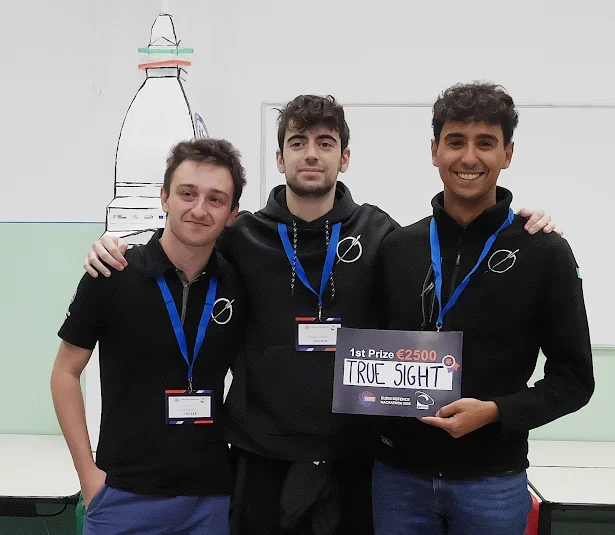
True Sight (Italy)
Augmented reality solutions for enhancing situational awareness with control of distributed robotic systems implemented, reducing risks. The solution also allows to share commands between all operators and systems.
Challenge addressed: Sovereign Aerospace
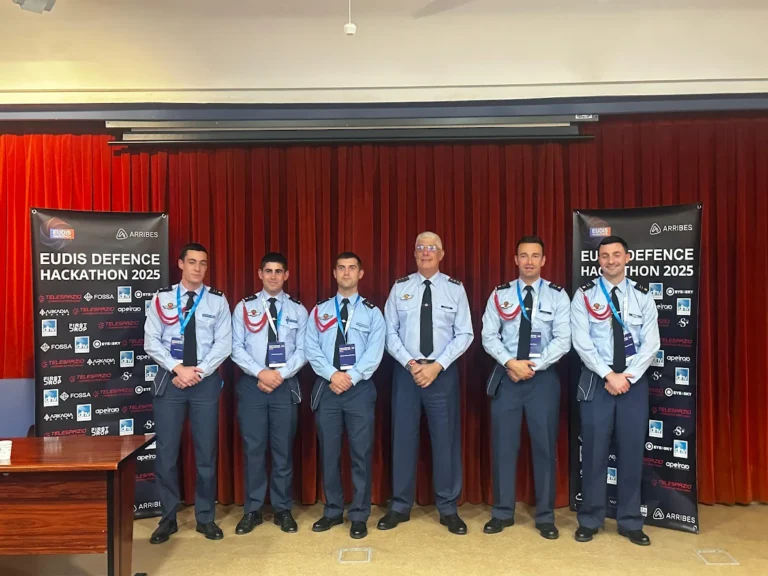
Eurolynx (Spain)
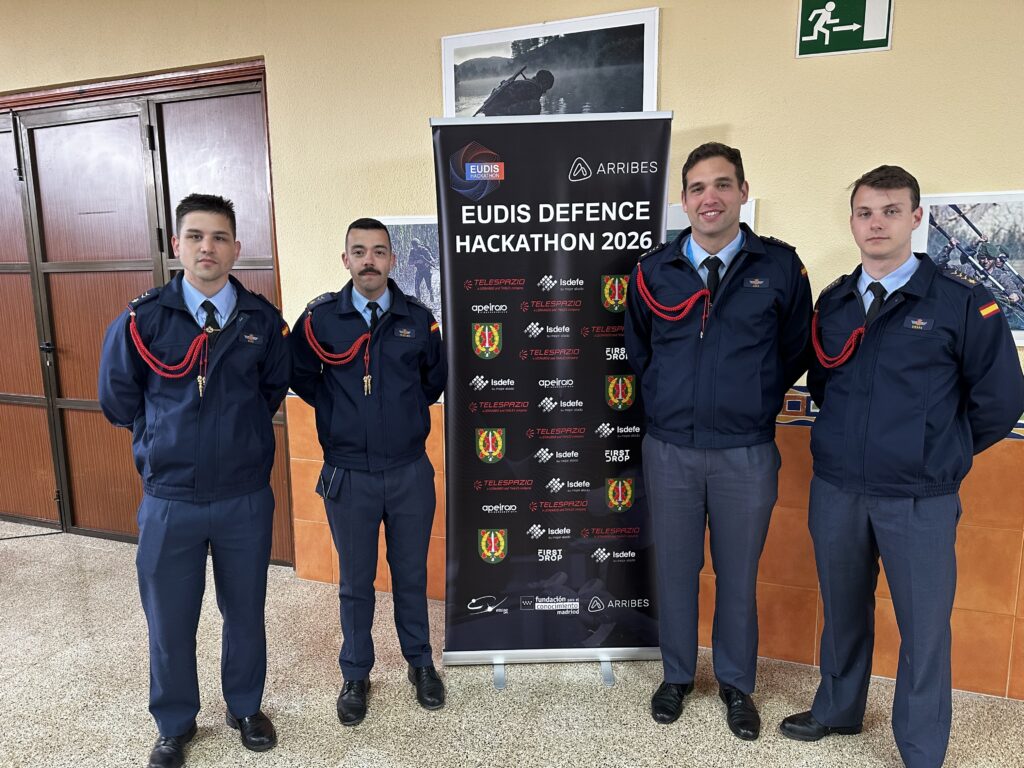
EUROLYNX is a private Generative AI tool developed to analyze satellite and aerial imagery, automatically detect changes and anomalies, and generate intelligence reports in under one hour using previous reports as training data. The system keeps imagery analysts in full control, with AI acting as a support tool rather than a replacement for human judgment. The project was developed by five Spanish military students from the General Air Academy. Their goal was to create a reliable, secure, and efficient tool to enhance situational awareness and decision-making in complex operational environments.
Challenge addressed: Space for Defense
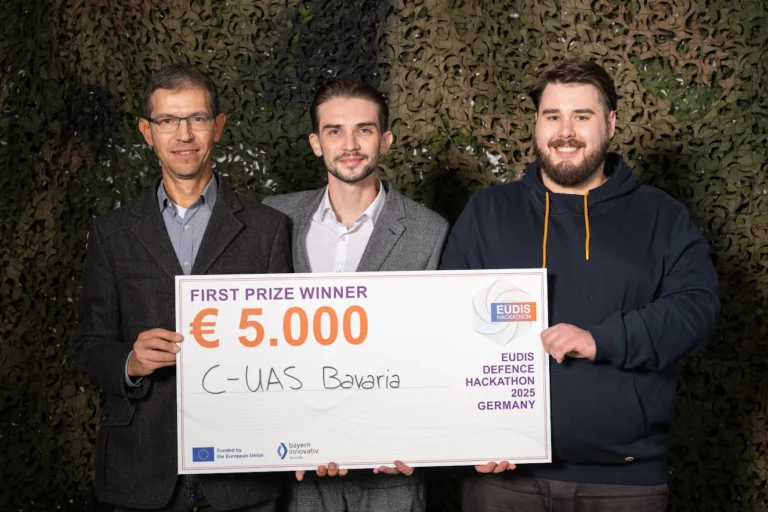
C-UAS BAVARIA (Germany)
The C-UAS BAVARIA team has developed a precise and cost-effective AI-supported ground-based measure for defending against drones for military purposes. This solution closes a technical gap in drone defense between the use of smaller countermeasures and the use of missiles. The new technology uses precise detection technology and prediction mechanisms to take out the target with projectiles from an AI-controlled compressed air rifle. Use cases include the protection of tanks, infrastructure, and transport convoys.
Challenge addressed: Sovereign Aerospace
2025 Spring Edition
Rapid Defence Solutions for the Ukrainian battlefield and beyond
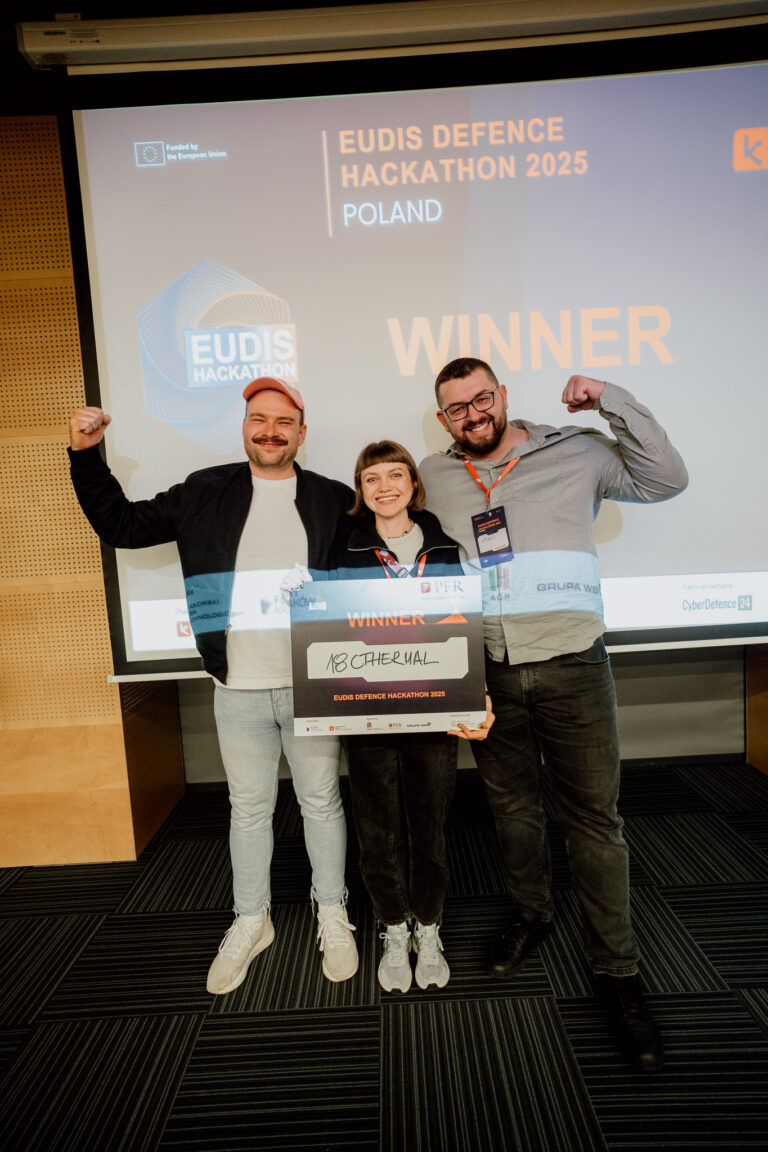
18°C Thermal (Poland)
Camouflage and defensive equipment against thermal cameras used on the battlefield, which pose an increasing threat on the front lines.
Challenge: Cost-Effective Protective Gear for Frontline Defence
Harlequin Defense (Lithuania)
Building an autonomous and modular counter-FPV drone system that detects, tracks, and ultimately shoots down FPV drones attacking the protected troops and assets.
Challenge: Cost-Effective Protective Gear For Frontline Defence and Enhanced Situational Awareness and Tactical Surveillance Systems
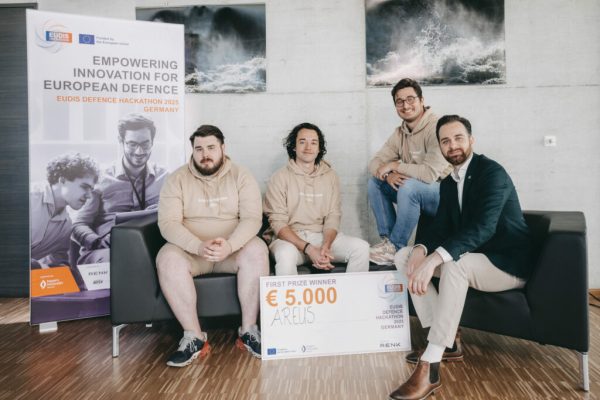
AEREUS (Germany)
Using real-time 3D scene reconstruction and geospatial insights from drone data to enhance situational awareness and mission decisions for operational and tactical teams.
Challenge: Enhanced Situational Awareness and Tactical Surveillance Systems
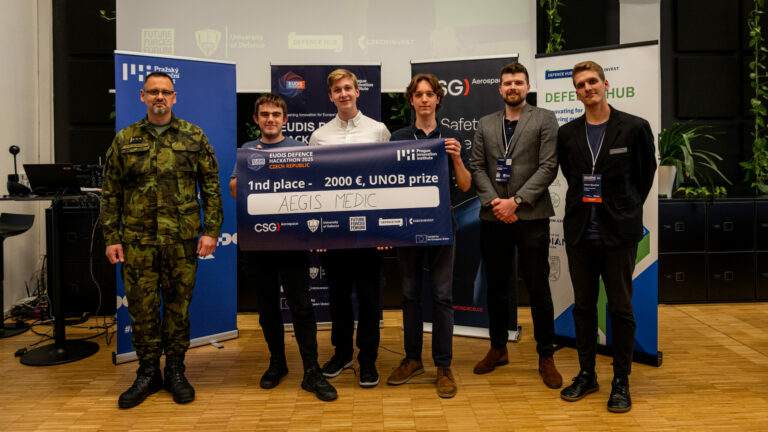
Aegis Medic (Czech Republic)
Offline life-saving care using a small LLM.
Challenge: Advanced Medical Support for Frontline Care
DFT Frontier (Denmark)
A heavy-lift VTOL drone that enables rapid, autonomous resupply across mined terrain, mud-locked zones, and enemy-controlled areas—minimizing helicopter losses and extending operational reach deep into hostile environments.
Challenge: Enhanced Situational Awareness and Tactical Surveillance Systems
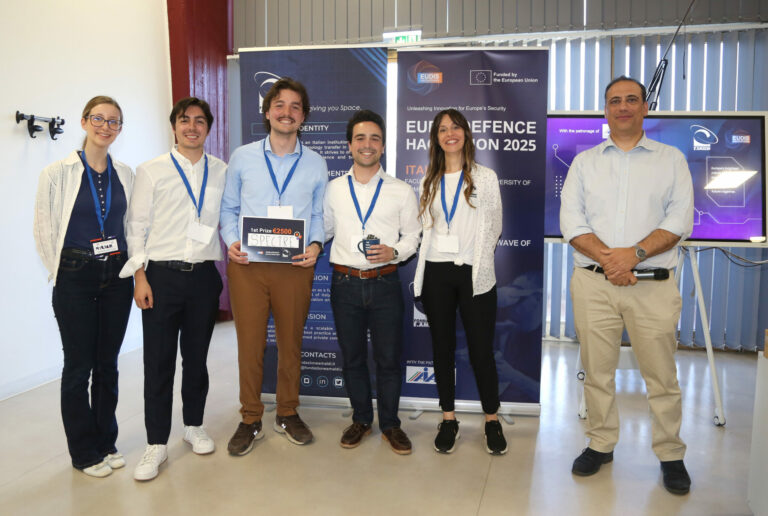
SPECTRE (Italy)
Is a next-generation acoustic stealth technology for multirotor UAVs operating in hostile environments.
Challenge: Enhanced Situational Awareness and Tactical Surveillance Systems
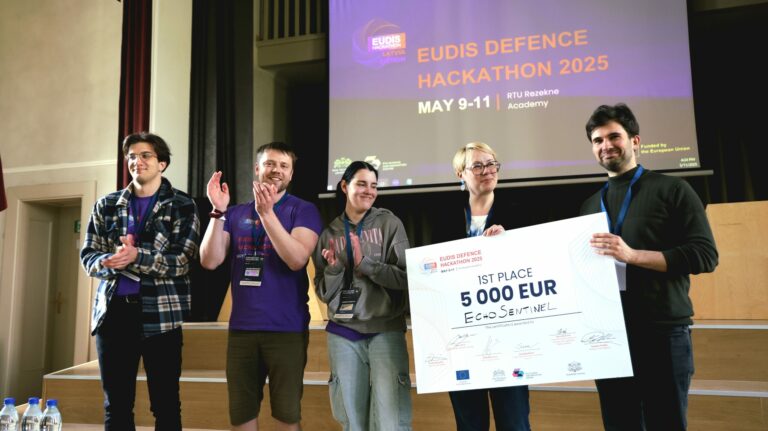
EchoSentinel (Latvia)
Lightweight, cost-effective battlefield intelligence system designed to enhance tactical situational awareness by detecting and analyzing audio signatures of vehicles and drones.
Challenge: Enhanced Situational Awareness and Tactical Surveillance Systems
Battle Field Network (Spain)
Network of sensors and servers for the battlefield to enhance situational awareness.
Challenge: Enhanced Situational Awareness and Tactical Surveillance Systems
EUDIS provided us with great experts from the battlefield, that based on feedback allowed us to learn, iterate and bring our final solution to a useful product much faster than we would be able to alone. Already being tested with multiple armies. Highly recommendable for anyone in dual-use!
EUDIS was the step that I needed to finally create a startup company. I had been thinking about it for a long time, and I did not think that participating in this hackathon would finally help me cross that border, but the inspiring mentors and the provided environment and competition for growth were precisely what I needed.
Exceptionally well-organised, properly structured program that’s run like a tight ship. If you're looking to 'speedrun' your entry into defence or dual-go EUDIS. The pace is intense, the support is always there, and the drive to build is clear.
The EUDIS Hackathon enabled the Harlequin Defense team to gain insight into the inner workings of the defence industry and shape our project to be executed as best as possible. As the defence industry, for the most part, is "camouflaged" from the public eye, the insights provided by the mentors are incredibly valuable. Mentors not only show how successful products are developed internally but are also crucially open to all sorts of questions from the participating teams. This openness is simply irreplaceable when it comes to learning about the industry and defence in general.
Participating in the EUDIS Hack program was an incredibly valuable experience. We received feedback from a wide range of mentors with diverse backgrounds, which greatly enriched our project. We also had the opportunity to suggest mentors based on our specific needs, making the mentoring process truly personalised and impactful. I would recommend this experience to other innovative teams.
2024 Edition
Digital in Defence
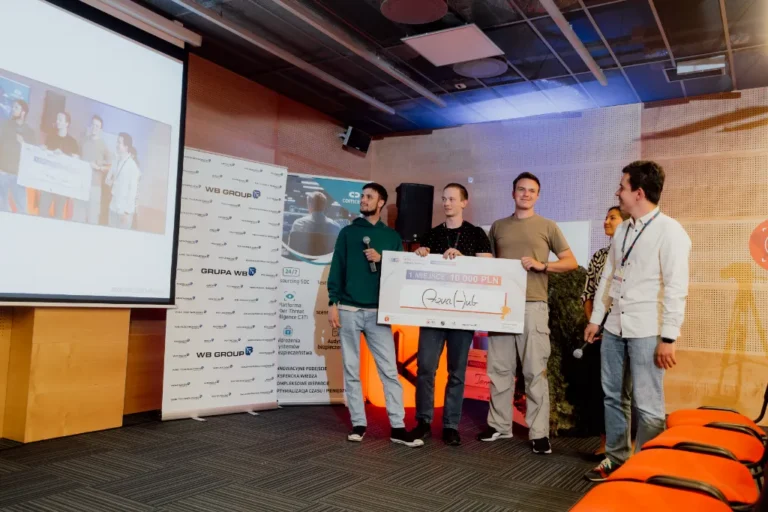
Aquahub - Poland
Challenge: Subsea Infrastructure Protection
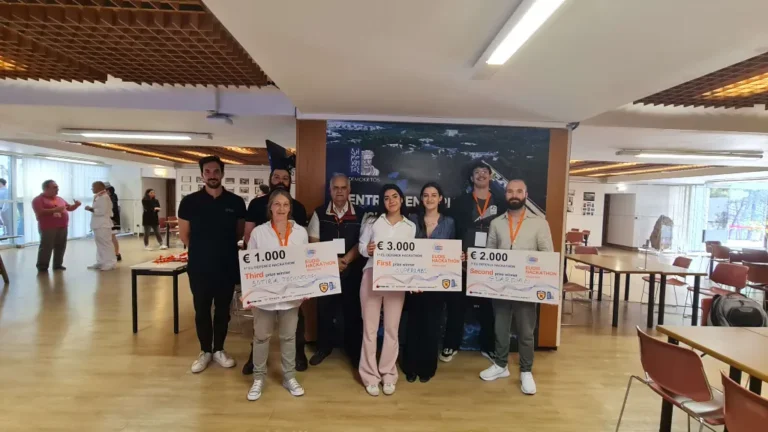
Superlabs - Greece
Challenge: Improving situational awareness
EUnify - Belgium
Challenge: Situational Awareness
Fraudshield - Hungary
Challenge: Cybersecurity in Defence
Euri Swarm - Italy
Challenge: Improving situational awareness
Eye of Lizdeika - Lithuania
Challenge: Improving situational awareness
Through EUDIS, we have cultivated an environment that encourages collaboration, critical thinking, and technical excellence. The hackathon teams have not only showcased their skills but have also demonstrated remarkable teamwork and resilience under pressure. It is a joy to guide them, provide insights, and witness their growth throughout the process.
One “free” weekend turned into an amazing future-changing experience for us. During the Hackathon, not only did we meet new international friends, we also started building professional relationships and learnt a lot about innovation and the Defence industry in a very pleasant hands-on manner. The mentorship programme and the coaches really help in making our invented solution a reality and in founding a Defence start-up company. It’s well-balanced and covers a lot of business school topics.